Sewer Backup Valve Installation in New York

Protect Your Property From Sewer Backups

Sewer backups are a serious issue for many New York properties, especially buildings with basements or lower-level plumbing fixtures. When the city sewer system becomes overloaded, wastewater can flow back into homes and commercial spaces, causing damage, contamination, and expensive cleanup.
Installing a sewer backup valve is one of the most reliable ways to prevent sewage from entering your property. These valves are designed to allow wastewater to exit your building while blocking it from flowing back inside during sewer surcharges or blockages.

Get Free Estimate Today!

What Is a Sewer Backup Valve

A sewer backup valve, also known as a backwater valve, is a one-way plumbing device installed on the main sewer line. Under normal conditions, wastewater flows freely out to the municipal sewer. If the sewer system becomes overwhelmed, the valve automatically closes to stop sewage from backing up into the building.

Sewer backup valves are especially important for New York City properties where plumbing systems are older and sewer lines are shared among multiple buildings.

How Sewer Backup Valves Work

Sewer backup valves operate mechanically and do not require electricity. When wastewater flows out of the building, the valve remains open. If pressure from the city sewer reverses direction, the internal gate or flap closes, preventing sewage from re-entering the property.
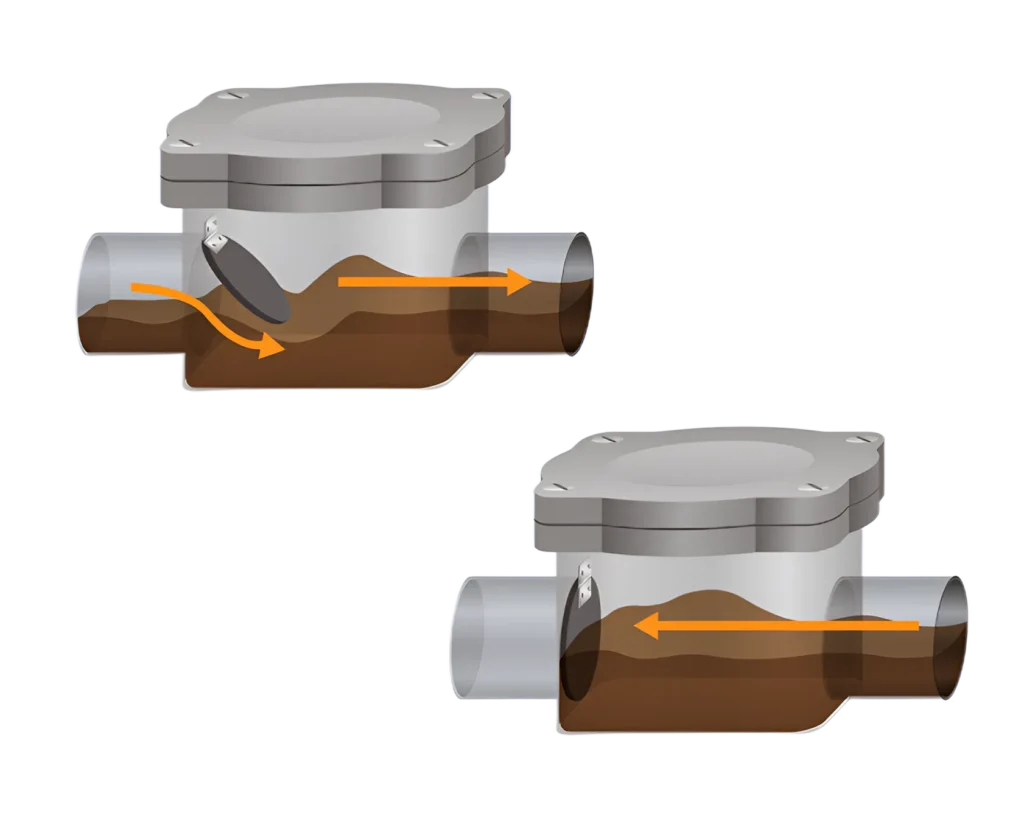
Once pressure normalizes, the valve reopens and allows normal drainage to continue.
How sewer

How Sewer Backup Valves Work

Sewer backup valves operate mechanically and do not require electricity. When wastewater flows out of the building, the valve remains open. If pressure from the city sewer reverses direction, the internal gate or flap closes, preventing sewage from re-entering the property. Once pressure normalizes, the valve reopens and allows normal drainage to continue.

Where Sewer Backup Valves Are Installed

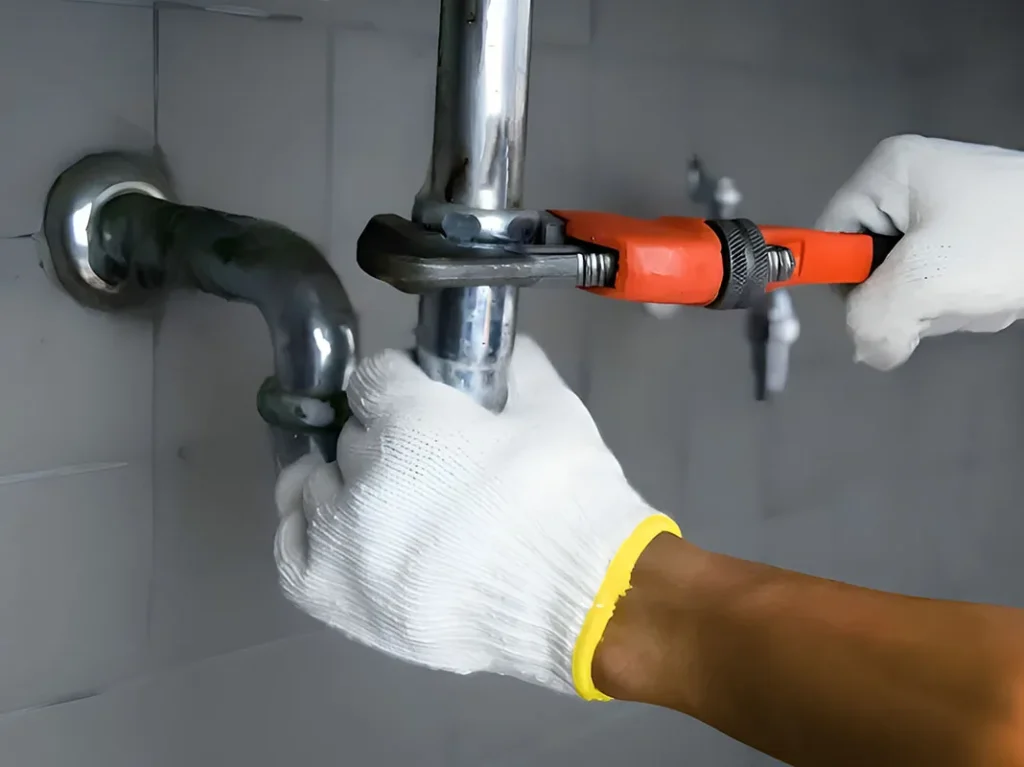
Correct placement is critical for performance and code compliance. Sewer backup valves are typically installed:

Sewer Backup Valves Are Installed

Why Sewer Backup Valves Are Important in New York

Drain

Basement and Lower-Level Protection

Many New York homes and commercial buildings have basements, cellars, or lower-level drains that sit below street sewer lines. These areas are highly vulnerable to sewage backups during heavy rain or sewer system overloads.

Code

Code Compliance and Risk Reduction

New York City plumbing codes require backwater protection in certain situations where fixtures are subject to sewer backflow. Installing a properly placed and accessible sewer backup valve helps meet these requirements and reduces liability for property owners.
Health

Health and Safety Protection

Sewage contains bacteria and contaminants that pose serious health risks. Preventing sewer backups helps protect occupants from exposure and reduces the chance of long-term damage to the property.

Benefits of Installing a Sewer Backup Valve

Choosing the Right Sewer Backup Valve

Different properties require different valve types depending on pipe size, building layout, and sewer conditions. A licensed plumbing professional can determine the most suitable sewer backup valve for your property and ensure proper installation. Regular inspection and maintenance help keep the valve operating correctly when it is needed most.

service-areas

Sewer Backup Valve Installation in New York City

Protect your home or business from sewage damage with professional sewer backup valve installation in New York City. Our team provides expert evaluation, installation, and guidance to help keep your property protected.

Bronx

Brooklyn

Manhattan

Queens

Staten Island

Frequently Asked Questions

A sewer backup valve allows wastewater to flow out of a building while preventing sewage from flowing back in during sewer backups.
In certain situations, New York City plumbing codes require backwater protection for fixtures that may be affected by sewer backflow. A licensed plumber can determine if a valve is required for your property.
A sewer backup valve significantly reduces the risk of sewage entering a building. Routine maintenance and proper installation are essential for reliable performance.
Yes. Periodic inspection and cleaning help ensure the valve opens and closes properly and remains free of debris.
Sewer backups in New York are often caused by heavy rainfall, overloaded municipal sewer lines, aging infrastructure, tree root intrusion, and blockages in shared sewer systems.
In many cases, basement apartments and properties with fixtures below street level require sewer backup valves to reduce the risk of sewage entering the space. A plumbing inspection helps confirm requirements.
Yes. Sewer backup valves can be installed in existing New York homes and commercial buildings. The installation location depends on the layout of the sewer line and building drain.
A sewer backup valve helps prevent sewage from flowing back through your sewer line. It does not stop surface water flooding caused by exterior drainage or street-level flooding.
When installed correctly, a sewer backup valve does not affect normal plumbing operation. Wastewater flows out as usual and the valve only closes during backflow conditions.
Most installations can be completed within one day, depending on access to the sewer line and the condition of the existing plumbing.
Yes. Periodic inspection and cleaning are recommended to ensure the valve operates properly during a backup event. Accessible installation makes maintenance easier.
Yes. By preventing sewage from entering the property, sewer backup valves significantly reduce cleanup, restoration, and sanitation costs after sewer system failures.