How Often Should You Clean Your Sewer Line?
| Home or Property Type | Recommended Cleaning Frequency |
| Standard homes | Every 18 to 24 months |
| Older homes (30+ years) | Annually |
| Homes with tree roots | Every 6 to 12 months |
| Large households (5+ people) | Every 12 to 18 months |
| Commercial properties | Every 3 to 6 months |
For most homes, sewer lines should be cleaned every 18 to 24 months to prevent blockages and maintain strong drainage efficiency. Homes with older plumbing systems, heavy tree root activity, or large households may need professional sewer line cleaning more frequently, sometimes as often as every 6 to 12 months.
The Importance of Regular Sewer Line Cleaning
Most homeowners never think about their sewer system until something goes wrong. A slow drain here, a strange gurgling sound there, and before you know it, you are dealing with a full sewage backup in your basement. That is exactly why keeping your sewer line clean should be a priority, not an afterthought.
Your home’s plumbing system handles an enormous amount of waste every single day. Over time, grease, soap scum, hair, and other debris build up along the walls of your sewer pipes. Without regular cleaning, this buildup gradually narrows the pipe opening, slows drainage, and eventually leads to a complete blockage.
Regular sewer cleaning does more than just prevent clogs. It extends the lifespan of your pipes, helps you avoid costly emergency plumbing repairs, and keeps your home’s plumbing running smoothly year after year. Think of it the same way you think about changing your car’s oil: skip it long enough and you will pay far more to fix the damage than you would have paid to maintain it.
- Prevent sewage backups and costly overflows
- Extend the lifespan of your home’s pipe system
- Avoid unplanned emergency plumbing repairs
- Improve drainage efficiency throughout every fixture
- Maintain household hygiene and protect your family’s safety
How Often Should You Really Get Your Sewer Line Cleaned?
There is no single answer that works for every home. The right cleaning frequency depends on several factors specific to your property and household. Here is a practical breakdown of recommended timelines by home type.
Standard Homes
For most single-family homes with a modern plumbing system and average household usage, cleaning your sewer line every 18 to 24 months is the widely accepted recommendation. This schedule gives you enough time between cleanings without allowing buildup to get out of hand.
Older Homes (30+ Years)
If your home was built more than 30 years ago, it likely has clay pipes or cast iron pipes rather than modern PVC. These older plumbing systems are more prone to corrosion, scale buildup, and joint deterioration. Annual sewer cleaning is a smart move to catch problems before they escalate into something far more expensive.
Homes with Tree Roots
Tree root intrusion is one of the most common and most destructive causes of sewer line problems. Roots naturally seek out moisture and can work their way into even the tiniest pipe cracks over time. If you have large trees near your sewer line, schedule cleaning every 6 to 12 months. A sewer camera inspection can tell you exactly how severe the root situation is before it becomes a crisis.
Large Households
More people in a home means more water usage, more waste, and faster buildup inside the pipes. Households of five or more people should seriously consider scheduling a professional sewer line cleaning every 12 to 18 months to stay ahead of potential blockages.
Commercial Properties
Restaurants, apartment buildings, and other commercial properties put extreme demand on their wastewater systems every single day. Commercial sewer lines should be cleaned every 3 to 6 months to prevent costly downtime, avoid health code violations, and maintain compliance with local regulations.
What Determines How Often Sewer Lines Need Cleaning?
Several key factors influence how quickly your sewer line will accumulate buildup and require service. Understanding these helps you set the right maintenance schedule for your specific situation.
- Age of your plumbing system: Older pipes deteriorate over time and tend to collect scale and debris far faster than newer PVC pipes. If your home’s plumbing is 30 or more years old, plan on a more frequent cleaning schedule.
- Tree root intrusion: Root intrusion can turn a perfectly healthy pipe into a slow-draining problem within a single growing season. If trees near your home have caused trouble before, expect to maintain a more aggressive schedule.
- Household size: A family of six generates a lot more wastewater than a couple living alone. The more people using the plumbing system, the faster grease, hair, and debris accumulate in the main sewer line.
- Waste habits: Households that regularly pour grease down the drain or flush non-flushable wipes will deal with sewer line clogs far more often than those who are careful about what enters their pipes.
- Pipe material: Cast iron pipes, clay pipes, and older Orangeburg pipes are all more susceptible to buildup and damage than modern PVC. The material your sewer pipes are made of directly affects how often cleaning is needed.
Warning Signs Your Sewer Line Needs Cleaning Now
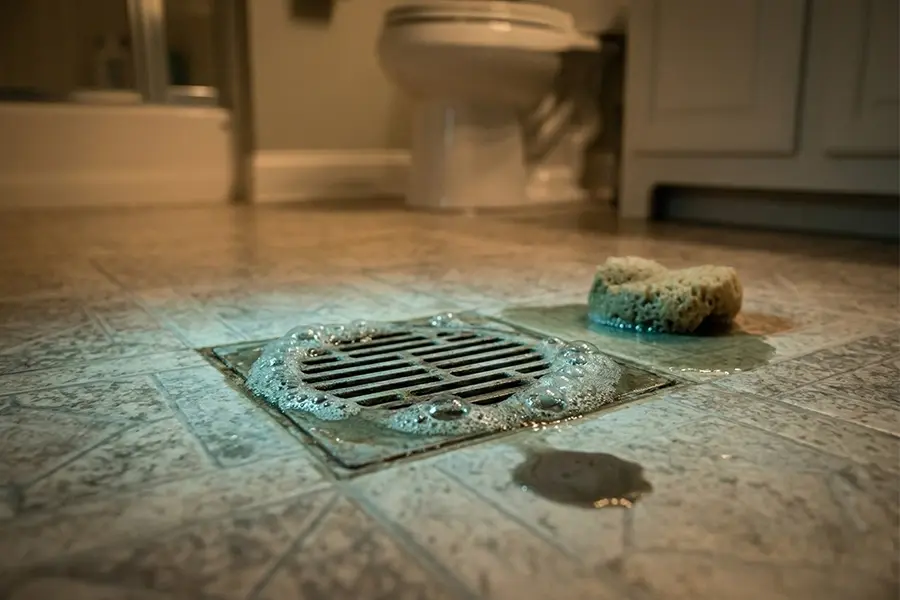
Sometimes your home’s plumbing will give you clear signals before a scheduled maintenance window arrives. Knowing what to look for can save you from a much more serious and expensive sewage backup.
7 Signs You Need Your Sewer Line Cleaned
- Slow drains throughout the house: When just one drain is slow, the clog is likely localized to that single fixture. But when multiple drains throughout your home are sluggish at the same time, that is a strong indicator the main sewer line has a blockage.
- Gurgling sounds from drains or toilets: That bubbling or gurgling noise after you flush the toilet or drain the sink is caused by air getting trapped in a partially blocked pipe. It is not something to dismiss.
- Frequent clogs on the same drain: One occasional clog is completely normal. But if you are reaching for the plunger every few weeks on the same fixture, the problem runs deeper than a surface-level obstruction.
- Sewage odors inside or outside your home: A healthy sewer system is sealed and completely odor-free. If you are smelling something foul near your drains, in your yard, or in your basement, your sewer line likely needs immediate cleaning or inspection.
- Water backing up into fixtures: Sewage backing up into a bathtub, toilet, or floor drain is a serious warning sign that the main sewer line is either heavily clogged or structurally compromised.
- Wet patches or unusually green grass in the yard: If part of your lawn is inexplicably soggy or noticeably greener than the surrounding area, there may be a sewer line leak underground. A camera inspection is essential in this scenario.
- Increased pest or insect activity near the home: Rodents and insects are drawn to sewer lines. An unusual surge in pest activity around your property could point to a broken or clogged sewer line underground.
Common Causes of Sewer Line Blockages
Understanding what causes clogs is the first step in preventing them. The most common culprits behind a blocked sewer line include:
- Grease and fat buildup: Cooking grease and oils might flow easily down a warm drain, but they solidify along the inner walls of your pipes as they cool. Over time, this greasy buildup becomes one of the thickest and most stubborn forms of blockage in a sewer line.
- Hair and soap scum: Hair is the leading cause of bathroom drain clogs. Combined with soap residue, it creates a sticky net that catches everything else flowing through the pipe.
- Non-flushable items: Baby wipes, paper towels, cotton balls, and feminine hygiene products do not break down in water the way toilet paper does. These items are a frequent and avoidable cause of serious main sewer line blockages.
- Tree root intrusion: Roots are aggressive and persistent. They seek out any available water source, and a leaking or cracked sewer pipe is exactly what they are looking for.
- Pipe collapse or corrosion: Aging cast iron and clay pipes can crack, collapse, or corrode from the inside out, creating partial or complete blockages that may signal a need for pipe relining or outright replacement.
What to Expect from a Professional Sewer Cleaning Service
If you have never scheduled a professional sewer cleaning before, here is a straightforward overview of what a qualified plumber will do from start to finish:
- Camera inspection: Most reputable plumbing companies start with a waterproof camera run through the sewer line. This gives the technician a clear view of what they are dealing with, whether it is grease buildup, root intrusion, or a physically damaged pipe section.
- Diagnosis: Based on what the camera reveals, the technician recommends the most appropriate cleaning method. Not every blockage requires the same approach, and this step ensures you are not paying for a solution you do not actually need.
- Cleaning method selection: Depending on the severity and type of blockage, the plumber will use hydro jetting, drain snaking, or another appropriate technique to clear the line.
- Testing and verification: After cleaning, a thorough technician will run water through the system and typically perform a second camera pass to confirm the line is completely clear before leaving your property.
Professional Methods of Sewer Line Cleaning
Hydro Jetting (High-Pressure Cleaning)
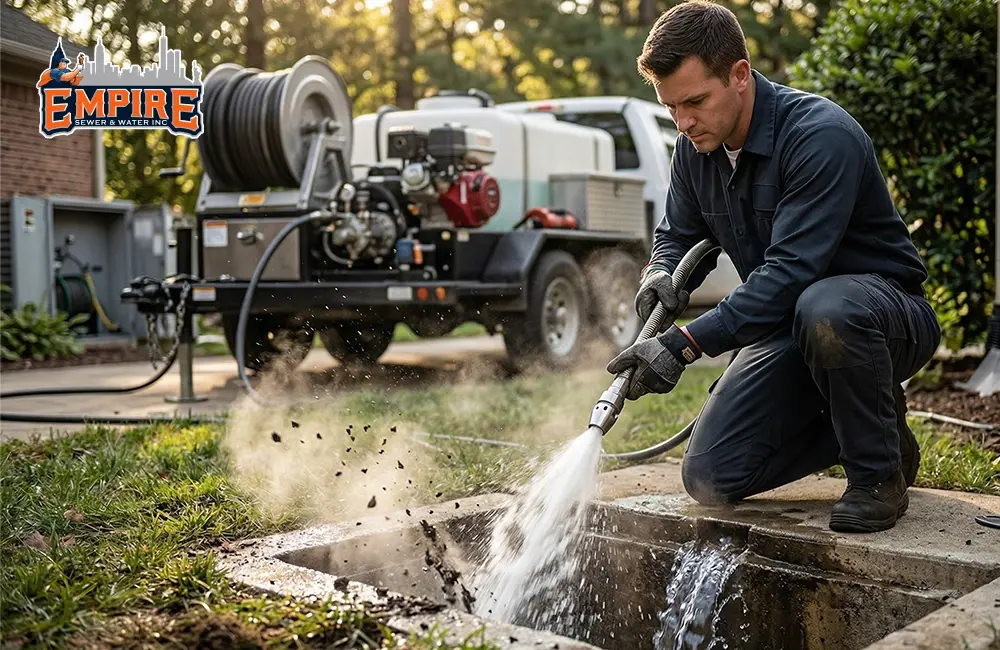
Hydro jetting uses a specialized nozzle connected to a high-pressure water system to blast debris, grease buildup, and even tree roots clean out of your sewer pipes. It is one of the most effective methods available, especially for heavy buildup or lines that have not seen service in several years. The high-pressure water scours the pipe walls from the inside, leaving the line in far better condition than snaking alone ever could. You can learn more about this process on our hydro jetting page.
Drain Snaking (Auger)
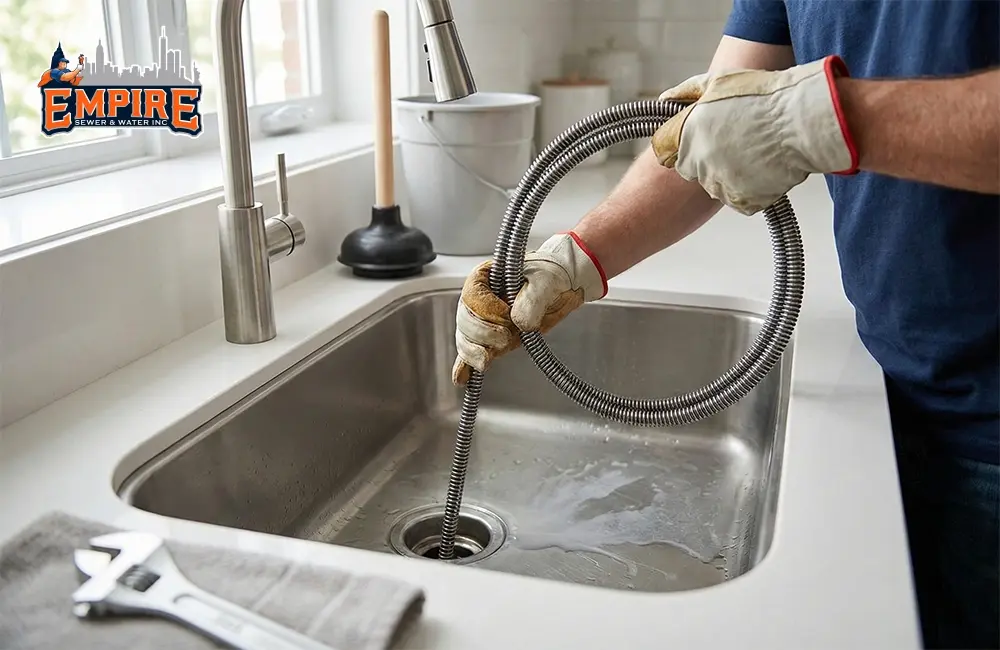
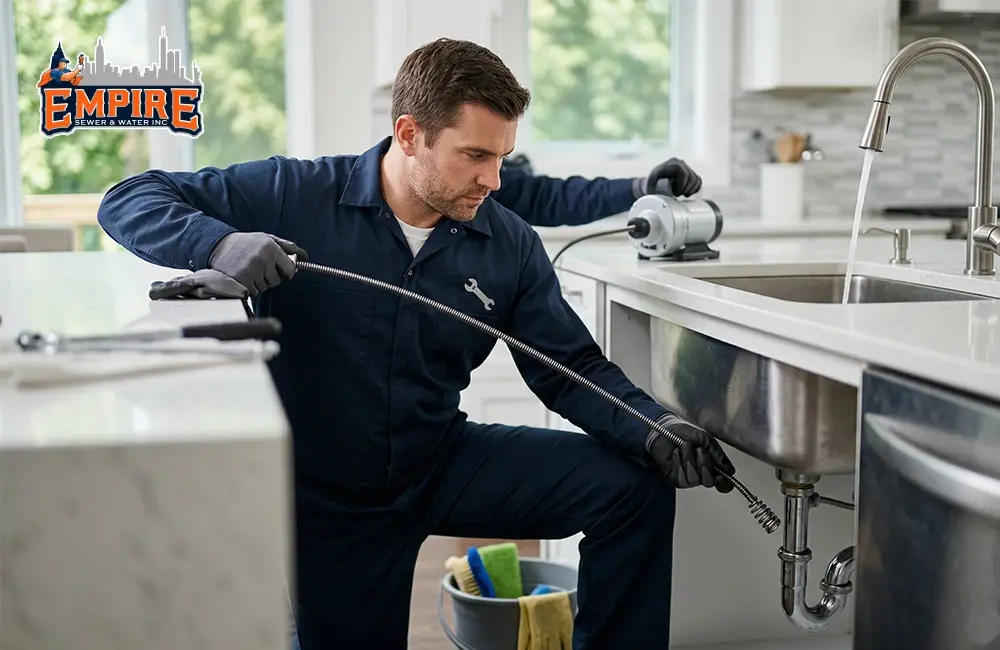
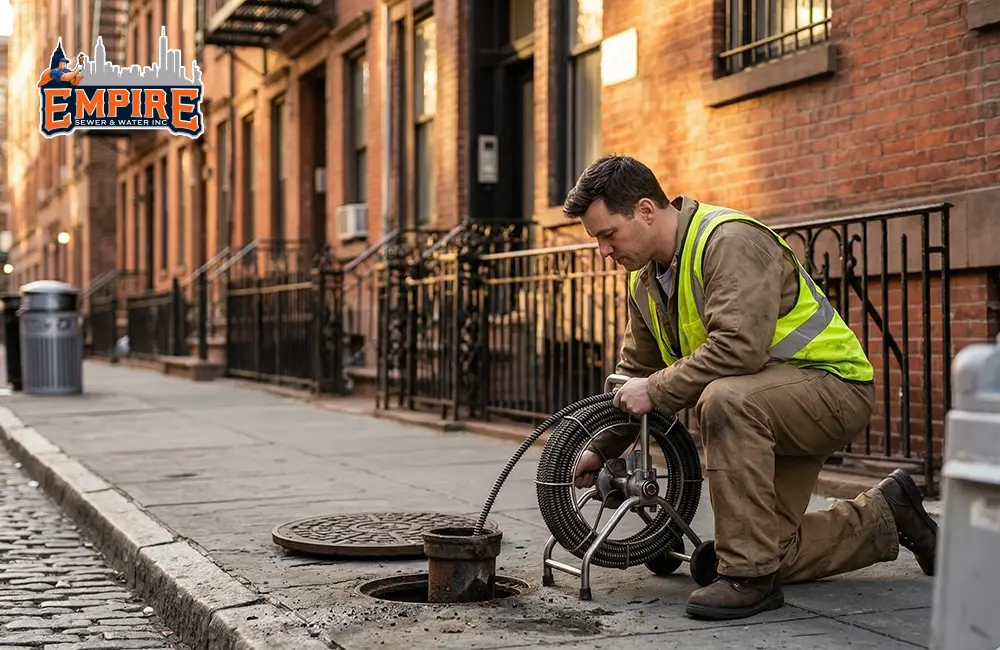
A drain snake, also called a drain auger, is a long flexible cable with a cutting or grabbing head that is fed directly into the pipe to break up or retrieve clogs. It is a reliable method for localized blockages and minor clogs, though it is considerably less thorough than hydro jetting for pipes with heavy coating on the walls. For a deeper look at professional drain cleaning techniques and when each method makes the most sense, we cover the full process in a separate guide.
Sewer Camera Inspection
A camera inspection is not just a cleaning method. It is one of the most powerful diagnostic tools available in modern plumbing. Having a camera run through your main sewer line every couple of years is one of the best forms of preventive maintenance you can invest in. Our team offers professional sewer camera inspection services that give you a clear, real-time picture of your pipe condition before small issues develop into expensive repairs.
Enzymatic Cleaners (Eco-Friendly Option)
Enzymatic drain cleaners use biological enzymes to break down organic waste inside pipes. They are safe for most plumbing systems, environmentally friendly, and work well as a maintenance tool in between professional cleanings. That said, they are not a substitute for professional service when there is an actual blockage or significant buildup in the main line.
Can You Clean a Sewer Line Yourself?
This question comes up often, and the honest answer is: it depends entirely on what you are dealing with.
For minor, localized clogs in sink or shower drains, a basic plunger or a drain snake can provide some temporary relief. Monthly enzymatic treatments can also help slow down organic buildup. Our guide on how to unclog a drain pipe walks through practical DIY steps that work well for minor household situations.
However, for anything involving the main sewer line, DIY approaches carry real risks. Using the wrong tool or technique can push a blockage further into the line, damage already-aging pipes, or mask a more serious underlying problem like root intrusion or a collapsed pipe section. If you are seeing slow drains in multiple fixtures, smelling sewage, or experiencing backups, stop experimenting and call a licensed plumber.
| DIY Drain Cleaning | Professional Sewer Line Cleaning |
| Works for minor sink and shower clogs | Addresses full main sewer line blockages |
| Uses basic tools: plunger, basic snake | Uses hydro jetting, camera inspection, auger |
| Provides temporary relief only | Long-term, thorough solution |
| Risk of pushing clogs deeper into the line | Diagnoses and treats the root cause directly |
| Low or no cost if tools are already on hand | Average cost $150 to $800 depending on method |
Think of DIY drain cleaning as a temporary patch, not a lasting solution. Professional sewer line cleaning addresses the underlying problem and leaves the entire pipe network clean, clear, and functioning properly.
How Much Does Sewer Line Cleaning Cost?
Cost is always a consideration for homeowners, and it varies depending on the cleaning method used, the severity of the blockage, and your local market. Here is a general breakdown of what you can expect to pay:
| Service | Average Cost Range |
| Standard drain snaking | $150 to $350 |
| Hydro jetting service | $300 to $800 |
| Sewer camera inspection | $100 to $400 |
| Emergency sewer cleaning | $400 to $900+ |
For a more detailed breakdown specific to your situation, check out our page on sewer cleanout costs or our guide to hydro jet drain cleaning costs. Keep in mind that these costs are a fraction of what you would face in emergency plumbing repairs or water damage restoration following a sewage backup.
Why Regular Sewer Cleaning Saves You Money
This is something a lot of homeowners simply do not appreciate until they have experienced a sewage backup firsthand. Routine sewer line maintenance is one of the most cost-effective investments you can make in your property, and the numbers back that up.
- Avoiding emergency plumbing costs: Emergency plumbing calls can easily run two to three times the cost of a scheduled cleaning visit. A backup or overflow that causes water damage can cost thousands of dollars in remediation alone.
- Extending pipe lifespan: Regular cleaning removes the corrosive buildup that accelerates pipe deterioration from the inside. This matters most in older homes where cast iron and clay pipes are the standard and full replacement carries a serious price tag.
- Protecting property value: A healthy sewer and plumbing system genuinely adds value to your home. Buyers and home inspectors pay close attention to plumbing condition, and a neglected sewer system can become a major sticking point in any real estate transaction.
- Maintaining drainage efficiency: Water flowing freely through clean pipes simply performs better. You will notice the difference in everyday routines, from faster draining kitchen sinks to fewer recurring toilet issues throughout the house.
How to Keep Your Sewer Line Clean Longer
Scheduling professional cleaning is important. But what you do between service visits matters just as much. These practical habits will meaningfully extend the time between cleanings and keep your home’s sewer system running well:
- Never pour grease down the drain: Let cooking grease and fats cool and solidify first, then dispose of them in the trash. This one habit alone eliminates one of the most common causes of sewer blockages.
- Only flush toilet paper: No wipes, no paper towels, no cotton products of any kind. Even items labeled flushable are well documented to cause problems in residential sewer lines.
- Install drain strainers: A simple mesh strainer in shower and sink drains catches hair and debris before it ever enters the pipe. They cost a few dollars and can prevent clogs that cost hundreds.
- Schedule regular camera inspections: Even when you have no obvious symptoms, a professional inspection every few years helps you catch root intrusion and pipe deterioration well before they become emergencies.
- Consider root barriers: If you have large established trees near your sewer line, a root barrier installation can redirect root growth away from your pipes and substantially reduce the risk of intrusion.
- Use enzymatic treatments monthly: A monthly enzymatic cleaner poured down your main drain helps break down organic matter and keeps your wastewater system cleaner between professional visits.
When Should You Call a Professional Plumber?
There are situations where waiting is simply not a wise option. Call a licensed plumber right away if you are experiencing any of the following:
- Recurring clogs across multiple drains: If the same drains keep backing up even after you have done your best to clear them, the blockage is in the main sewer line and requires professional tools to address properly.
- Sewage backup in your basement or on the ground floor: This is a plumbing emergency without question. Raw sewage backup poses serious health risks and can cause extensive structural damage to your property in a short amount of time.
- Persistent sewage odors throughout the home: A properly functioning sewer system is completely odor-free. Ongoing foul smells are a sign of a blockage, a venting problem, or damaged pipe that requires professional diagnosis.
- No improvement after DIY attempts: If a plunger, a basic snake, and an off-the-shelf drain cleaner have all failed to make a difference, stop and call a licensed plumber. Continuing to push tools into a compromised line can make the situation worse.
Our emergency sewer and drain cleaning team is available for urgent situations and can respond quickly when you need it most. Do not wait on an active sewage issue.
Frequently Asked Questions
What is the 135 rule in plumbing?
The 135 rule in plumbing refers to the maximum degree of directional change allowed in a single drain fitting. A 135-degree bend provides enough directional change to redirect a pipe without creating a sharp turn that traps debris and restricts wastewater flow. Sharp 90-degree turns in horizontal drain lines are generally avoided for this reason. Paired with a proper 1/4 inch per foot slope, the 135 rule helps ensure waste moves cleanly through the plumbing system without accumulating in problematic areas.
Why do plumbers advise against chemical drain cleaners?
Most licensed plumbing professionals strongly recommend against regular use of chemical drain cleaners. The harsh chemicals in these products corrode and weaken pipe walls over time, particularly in older plumbing systems with cast iron pipes that already have minor surface cracks. Beyond the pipe damage risk, chemical cleaners tend to address symptoms rather than the underlying cause of the clog, and they pose a real chemical hazard during handling and disposal.
What is sewer jetting?
Sewer jetting, more commonly called hydro jetting, is a professional drain cleaning method that uses highly pressurized water to thoroughly scour the interior walls of sewer pipes. A specialized nozzle is inserted into the line and water is released at pressures of up to 4,000 PSI or more to cut through grease buildup, tree roots, mineral scale, and compacted debris. It is widely considered the most complete cleaning method available for main sewer lines in both residential and commercial settings.
What is the best way to clean a main sewer line?
The most effective approach combines a sewer camera inspection with a hydro jetting service. The camera identifies the exact nature and location of the problem, and the hydro jetting removes it completely. This two-step process ensures the technician uses the right solution and then confirms the line is fully clear before the job is done. Our sewer line cleaning service follows exactly this approach for all main line work, giving homeowners confidence that the job was done right.
How long does sewer cleaning take?
Most professional sewer line cleanings are completed within one to three hours, depending on the method used and the complexity of the situation. A routine hydro jetting job on a well-maintained line can often be finished in under an hour. Lines with heavy root intrusion, significant debris accumulation, or more complicated pipe layouts will take longer. Your technician can provide a realistic time estimate after the initial camera inspection.
How Often Should Sewer Lines Be Cleaned? (Summary)
Keeping your home’s plumbing running smoothly comes down to one simple and consistent principle: regular maintenance is always less expensive and far less disruptive than waiting for an emergency.
- Standard homes: clean your main sewer line every 18 to 24 months
- Older homes or properties with tree roots: move to an annual or bi-annual schedule
- Large households: every 12 to 18 months to keep pace with usage
- Commercial properties: every 3 to 6 months to stay ahead of demand
Pay attention to the signals your plumbing gives you. Slow drains, gurgling noises, sewage odors, and recurring clogs are all indicators that your sewer line needs attention sooner rather than later. When you are unsure of the condition of your pipes, a professional camera inspection removes the guesswork entirely and gives you a clear picture of what you are actually dealing with.
Whether you are overdue for a routine cleaning or currently dealing with an active drainage problem, our team is ready to help. Contact us today to schedule your sewer line cleaning and get the peace of mind that comes with knowing your home’s wastewater system is clean, clear, and fully protected.