Your pipes are doing their job invisibly — until they are not. Slow drains, foul odors, and reduced water pressure are not random annoyances. They are symptoms of buildup: limescale from hard water, biofilm from organic waste, grease from kitchen drains. Knowing how to clean pipes the right way depends entirely on what your pipes are made of and what has accumulated inside them.
This guide breaks down every proven pipe cleaning method, from simple enzymatic cleaners to mechanical descaling tools, and matches each technique to the right pipe material. Whether you are dealing with PVC drain pipes under your kitchen sink or aging cast iron lines in an older building, you will find a step-by-step approach that works — without causing damage in the process.
What Is the Best Way to Clean Pipes?
The best way to clean pipes depends on the pipe material and type of buildup. For most residential drain pipes, a combination of enzymatic cleaner and periodic mechanical clearing with a drain snake handles 80% of blockages and buildup. For heavy limescale or mineral deposits in copper or galvanized pipes, acid-based descaling solutions or hydro jetting produce better results. Chemical drain cleaners are a last resort — they can damage PVC joints and corrode older metal pipes with repeated use.
Pipe Cleaning Methods Explained: Chemical, Mechanical, and Enzymatic
There are three main categories of pipe cleaning, each suited to different problems. Choosing the wrong method wastes time and can cause real damage to your plumbing system.
Enzymatic Cleaners
Enzymatic cleaners use live bacterial cultures that feed on organic material — grease, soap scum, hair, and food particles. They are slow-acting, typically requiring 6 to 8 hours to work effectively, which is why most plumbers recommend applying them before bed and letting them sit overnight. Enzymatic cleaners are the safest option for PVC pipes and work well as a monthly preventive treatment for kitchen and bathroom drains. They do not, however, break down mineral deposits or limescale.
Chemical Drain Cleaners
Chemical cleaners use alkaline compounds (sodium hydroxide is common) or acidic compounds to dissolve blockages. Alkaline formulas work on grease and hair clogs. Acid-based products, such as those containing hydrochloric acid, are specifically formulated for mineral scale. The trade-off is real: chemical cleaners generate heat as they react, which can soften PVC joints and corrode the interior of older metal pipes. Professional plumbers rarely use them as a first choice. If you use them at all, limit it to once per quarter and never mix different chemical products.
Mechanical Pipe Cleaning
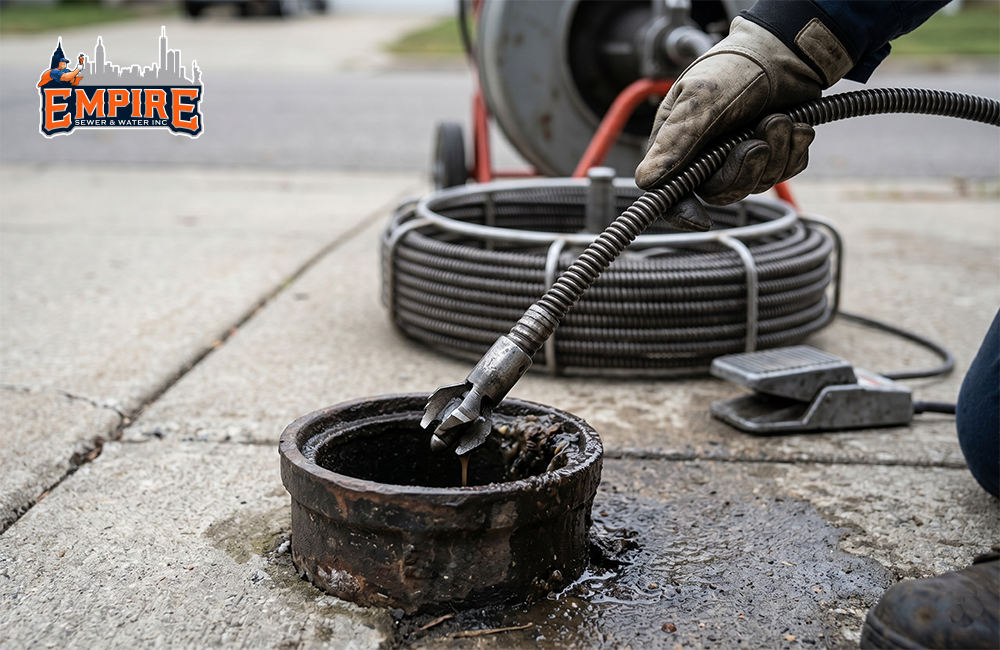
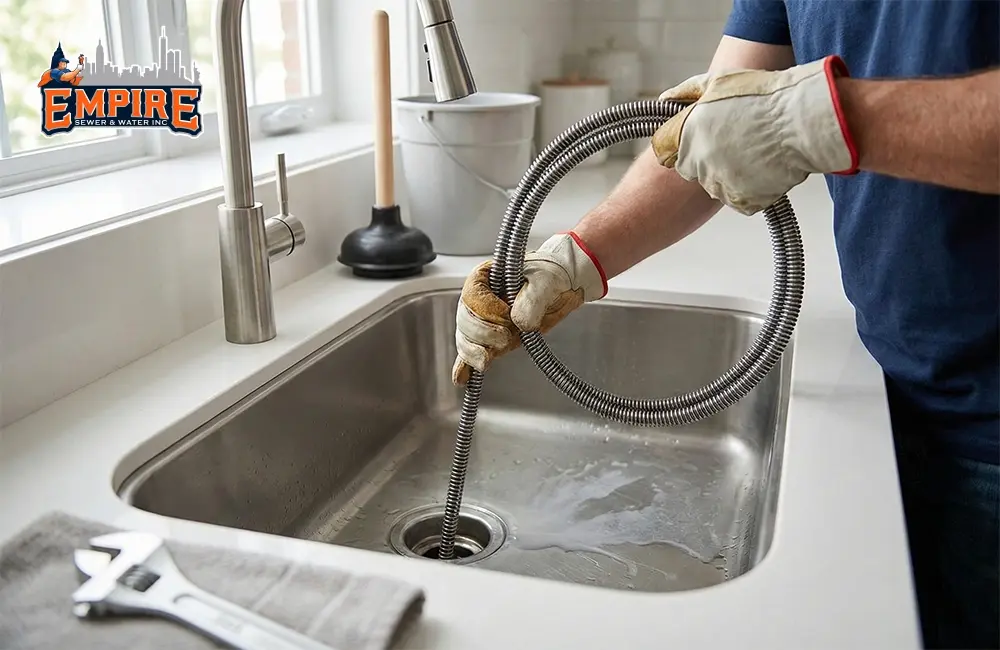
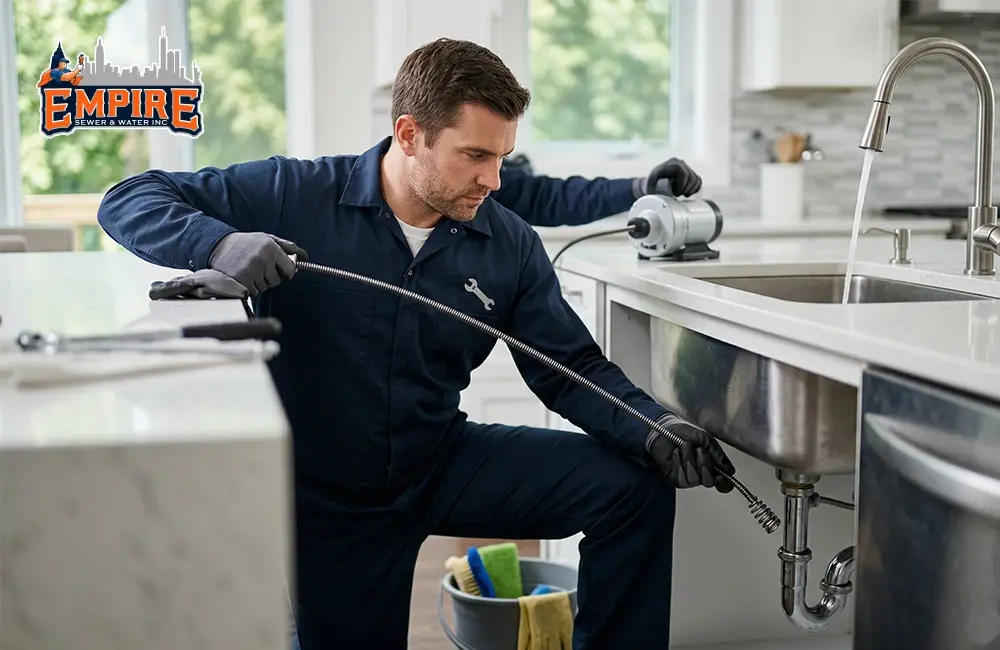
Mechanical methods physically break apart or extract blockages without relying on chemistry. A manual drain snake (also called a pipe auger) works for most household clogs within 25 feet of the drain opening. Electric drain snakes handle tougher blockages and longer runs. Hydro jetting, which uses pressurized water at 1,500 to 4,000 PSI, is the most thorough mechanical method available — it removes biofilm, mineral scale, tree roots, and grease simultaneously. Hydro jetting is almost always a professional service because the pressure levels can fracture fragile or corroded pipes if used without a prior camera inspection.
How to Clean Drain Pipes Step by Step
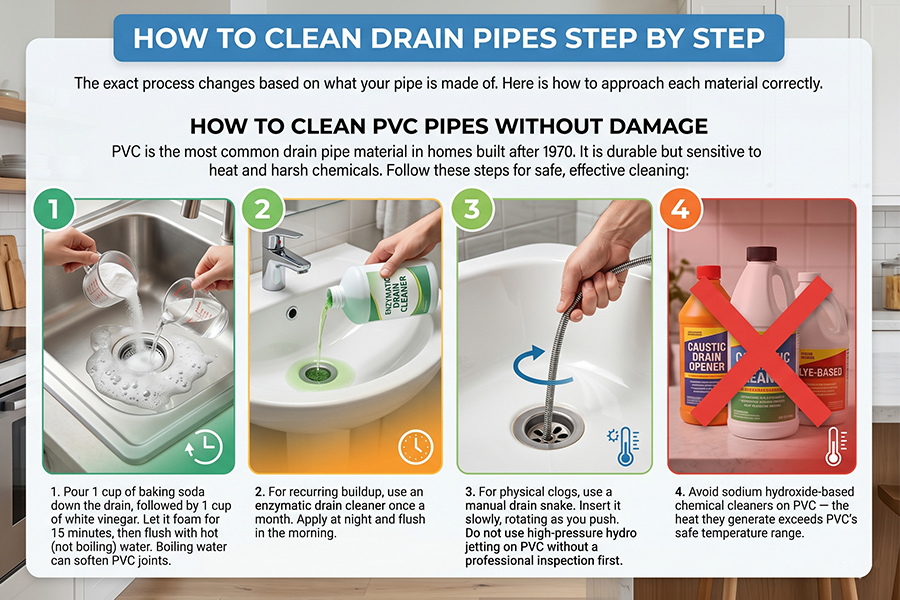
The exact process changes based on what your pipe is made of. Here is how to approach each material correctly.
How to Clean PVC Pipes Without Damage
PVC is the most common drain pipe material in homes built after 1970. It is durable but sensitive to heat and harsh chemicals. Follow these steps for safe, effective cleaning:
- Pour 1 cup of baking soda down the drain, followed by 1 cup of white vinegar. Let it foam for 15 minutes, then flush with hot (not boiling) water. Boiling water can soften PVC joints.
- For recurring buildup, use an enzymatic drain cleaner once a month. Apply at night and flush in the morning.
- For physical clogs, use a manual drain snake. Insert it slowly, rotating as you push. Do not use high-pressure hydro jetting on PVC without a professional inspection first.
- Avoid sodium hydroxide-based chemical cleaners on PVC — the heat they generate exceeds PVC’s safe temperature range.
How to Clean Cast Iron Pipes the Safe Way
Cast iron pipes are common in homes built before 1980. They are prone to internal rust corrosion and mineral buildup, which narrows the pipe’s effective diameter over time. Aggressive mechanical cleaning can chip the interior coating and accelerate corrosion.
- Start with an enzymatic cleaner to soften organic buildup. Allow 8 to 12 hours for it to work.
- Use a medium-duty electric drain snake for stubborn clogs. Avoid metal-tipped augers on heavily corroded sections — they can crack brittle cast iron.
- For heavy mineral scale, a professional hydro jetting service with a pre-inspection is the safest approach. Low-pressure hydro jetting (under 1,500 PSI) is generally safe for structurally sound cast iron.
- Avoid acid-based chemical cleaners. They accelerate interior corrosion in cast iron and can compromise pipe integrity over time.
How to Clean Copper Pipes and Remove Limescale
Copper pipes are common in water supply lines and are particularly susceptible to limescale buildup in hard water areas. Unlike drain pipes, supply pipes are pressurized — which means cleaning approaches are different.
- For mild limescale on accessible copper fittings and exposed pipe sections, use white vinegar. Soak a cloth, wrap it around the affected section, and leave it for 30 to 60 minutes before scrubbing.
- For internal pipe descaling, a diluted citric acid solution flushed through the line works without corroding the copper. Mix 1 tablespoon of citric acid powder per liter of water and circulate through the system for 30 minutes.
- For severe internal mineral deposits, pipe descaling services using specialized descaling agents or hydro jetting are more effective. A plumber can assess whether the scale buildup has reduced pipe diameter significantly enough to warrant professional intervention.
- Do not use hydrochloric acid-based products on copper pipes — they react with copper and cause pitting corrosion over time.
How to Remove Buildup from Pipes: Limescale, Biofilm, and Grease
Not all pipe buildup is the same. Each type requires a targeted approach.
Limescale and Mineral Deposits
Limescale forms when hard water — water with high calcium and magnesium content — flows through pipes and leaves mineral deposits behind as it evaporates or cools. The U.S. Geological Survey estimates that approximately 85% of American homes have hard water, making limescale one of the most common pipe problems nationwide. Citric acid and white vinegar work well for mild scale. For heavy buildup, commercial descaling products with sulfamic or phosphoric acid are effective without the corrosive risks of hydrochloric acid. Always flush thoroughly after any acid-based treatment.
Biofilm
Biofilm is a slimy layer of bacteria that adheres to the interior of pipes. It is the primary cause of drain odors and contributes to blockages by trapping grease and debris. Enzymatic cleaners are the most effective treatment for biofilm because the bacterial cultures break down the biofilm’s biological matrix directly. A monthly enzymatic treatment prevents new biofilm from establishing. For existing heavy biofilm, two consecutive nightly treatments are usually enough to clear it.
Grease and Soap Scum
Grease solidifies as it cools inside drain pipes, sticking to pipe walls and accumulating over time. Kitchen drains are the primary source. Hot water alone does not remove solidified grease effectively — it just pushes it further down the line before it re-hardens. Alkaline drain cleaners break down grease through saponification (converting fats into soap-like compounds). For heavy grease buildup in kitchen drain lines, hydro jetting is the most thorough single-service solution available, as the pressurized water physically blasts grease off the pipe walls.
How Often Should You Clean Your Pipes?
Most residential plumbing systems benefit from a regular maintenance schedule rather than reactive cleaning when problems appear. Here is a practical framework:
- Monthly: Apply an enzymatic cleaner to kitchen and bathroom drains. This prevents biofilm accumulation and reduces the frequency of clogs significantly.
- Every 3 months: Run a hot water flush through all drains, followed by a baking soda and vinegar treatment.
- Annually: Schedule a professional drain inspection for homes with cast iron pipes, older galvanized plumbing, or known hard water issues. A sewer camera inspection can identify scale buildup and early corrosion before they become costly problems.
- Every 1 to 2 years: Consider a professional hydro jetting service for kitchen drain lines, particularly in households that generate significant cooking grease.
If you are unsure about your cleaning schedule or notice recurring slow drains despite regular maintenance, reviewing how often sewer lines should be cleaned can help you calibrate a schedule for your specific system.
When DIY Pipe Cleaning Is Not Enough
There are situations where self-cleaning methods will not resolve the problem — and pushing harder only delays a necessary professional service.
- Recurring clogs in the same drain despite multiple cleaning attempts usually indicate a partial blockage further down the line, beyond the reach of a standard drain snake.
- Multiple slow drains throughout the house simultaneously point to a mainline sewer blockage, not individual drain buildup. This requires professional equipment to address.
- Foul sewer odors that persist after cleaning can signal venting issues, a cracked sewer line, or a buildup so severe that surface-level cleaning cannot reach it.
- Gurgling sounds from drains or toilets when other fixtures run are a sign of a sewer line problem requiring camera inspection and professional clearing.
In these cases, professional drain cleaning services — including sewer camera inspection and hydro jetting — are the right next step. Attempting to force a resolution with heavier chemicals or tools risks damaging older pipes and making repairs significantly more expensive.
If you are not sure whether your situation is a simple clog or a deeper sewer issue, what is drain cleaning explains how professional services differ from household methods and when each applies.
If a blocked drain has progressed to a full clog, our guide on how to unclog a drain pipe walks through escalation steps from household remedies to professional intervention.
FAQ: How to Clean Pipes
Can I use bleach to clean pipes?
Bleach can disinfect pipe surfaces and reduce odors, but it does not dissolve clogs or remove mineral scale. It also kills the beneficial bacteria in enzymatic cleaners, so avoid using both together. Bleach is useful as an occasional sanitizer for bathroom drains, diluted to 1 tablespoon per gallon of water, but it should not be a primary cleaning method.
What dissolves hair in drain pipes?
Enzymatic cleaners with protease enzymes are the most effective at breaking down hair over time. Alkaline chemical drain cleaners can also dissolve hair more quickly, though they carry more risk for PVC pipes. A drain snake physically removes hair clogs most reliably — it takes them out rather than dissolving them in place.
How do I know if my pipes have limescale buildup?
Reduced water pressure, white or yellowish mineral deposits around fixtures, and longer water heater recovery times are the most common signs of limescale buildup inside supply pipes. For drain pipes, slow drainage that worsens gradually over months is often limescale combined with biofilm narrowing the pipe’s internal diameter.
Is hydro jetting safe for all pipe types?
Hydro jetting is safe for most modern pipe materials, including PVC, ABS, and copper, when performed by a qualified technician who adjusts the pressure appropriately. It is not safe for fragile, heavily corroded cast iron pipes or clay sewer pipes with significant deterioration. A camera inspection before hydro jetting is standard professional practice.
How long does pipe cleaning take?
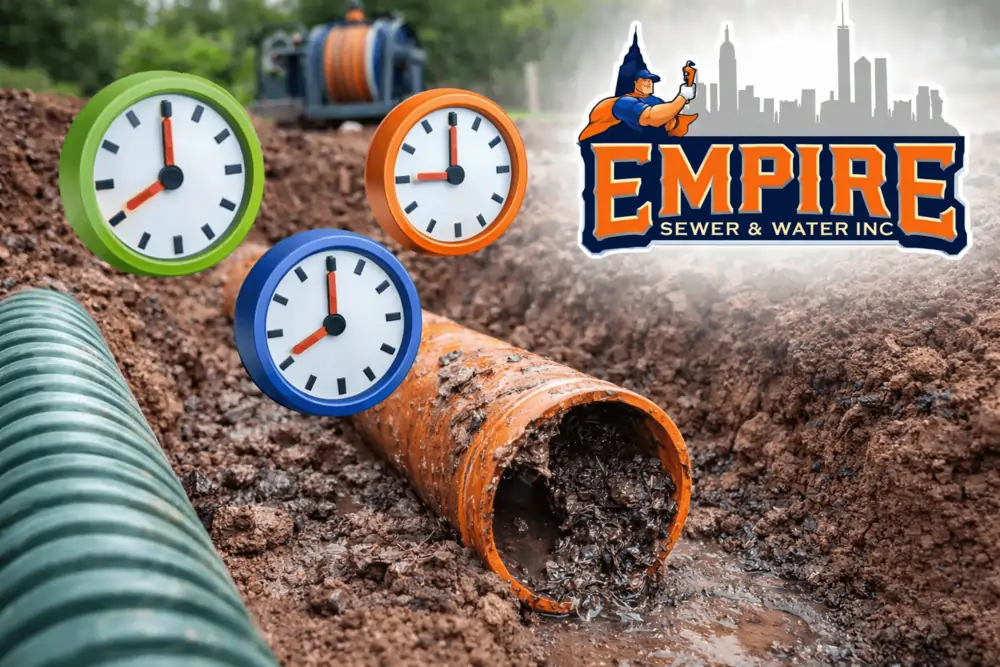
A standard enzymatic treatment takes 6 to 8 hours of contact time. Using a drain snake takes 15 to 45 minutes for most household clogs. Professional hydro jetting typically takes 1 to 2 hours for a standard residential drain line. A full sewer line cleaning and inspection can take 2 to 4 hours depending on the system’s length and complexity.
Can I clean pipes myself or do I need a plumber?
Most routine maintenance — enzymatic treatments, baking soda and vinegar flushes, and manual drain snaking — is well within DIY range. You need a professional when clogs are recurring despite treatment, when multiple drains are affected, when you are dealing with main sewer line issues, or when your pipes are old enough that aggressive cleaning could cause damage.
What is pipe descaling and when is it necessary?
Pipe descaling is the removal of hardened mineral deposits from the interior of pipes that have narrowed the flow diameter. It is necessary when limescale buildup has measurably reduced water pressure or flow rate, typically confirmed by a camera inspection. Methods range from chemical descaling agents to mechanical descaling tools and hydro jetting.
Keep Your Pipes Clean Before Problems Start
The most effective approach to clean pipes is consistency over intensity. A monthly enzymatic treatment and a quarterly hot water flush prevent the majority of blockages and buildup before they become visible problems. When buildup does occur, matching your cleaning method to the pipe material and buildup type makes the process faster and safer.
PVC pipes respond well to enzymatic cleaners and baking soda treatments. Cast iron pipes need gentler mechanical approaches and regular inspections to catch corrosion early. Copper supply lines accumulate limescale that responds well to citric acid descaling. Grease and biofilm in kitchen drains are best handled with enzymatic maintenance and periodic professional hydro jetting.
If you are dealing with slow drains, foul odors, or recurring clogs that regular cleaning has not resolved, professional drain cleaning services New York will diagnose and clear the problem safely — without the risk of pipe damage from trial-and-error home remedies.