What Is Hydro Jetting? Complete Guide to High-Pressure Drain Cleaning in New York

What Is Hydro Jetting

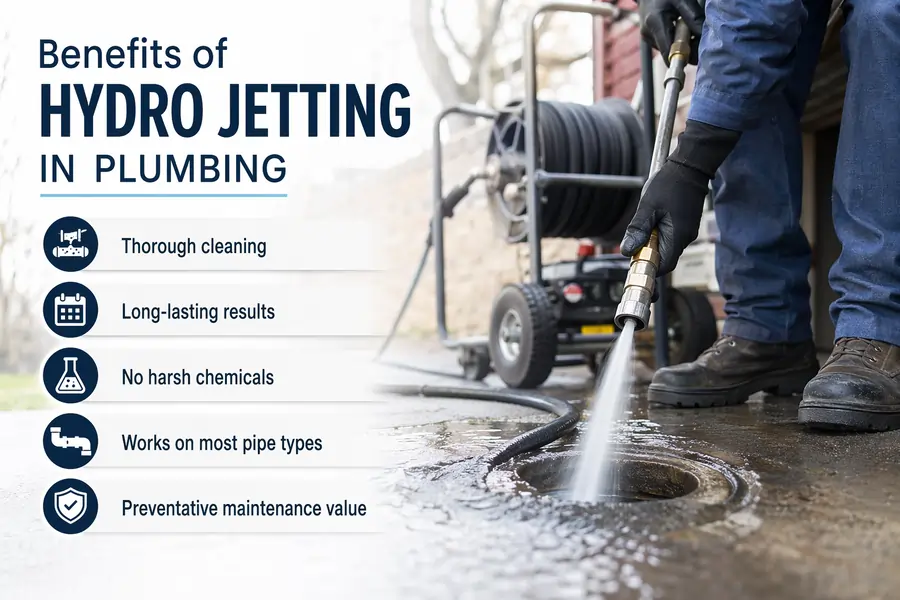
Hydro jetting is a professional pipe cleaning technique that uses highly pressurized water – typically between 1,500 and 4,000 PSI – to blast away clogs, grease, sludge, tree roots, and debris from the inside walls of drain and sewer lines. Unlike traditional drain snaking, which simply punches a hole through a blockage, hydro jetting thoroughly scours the entire pipe wall and restores your pipes to near-original capacity. If you’re a homeowner or business owner in New York dealing with stubborn clogs or slow drains, hydro jetting could be the most effective long-term solution available.

What Is Hydro Jetting in Plumbing?

Hydro jetting is a method of drain cleaning that uses a specialized jetting machine to push water through a high-pressure hose and nozzle directly into a pipe or drain. The force of the water – measured in PSI (pounds per square inch) – is powerful enough to cut through grease, mineral scale, sludge, and even tree root intrusion in sewer lines. The result is a comprehensively clean pipe, not just a temporarily cleared one.

In plumbing, hydro jetting is classified as a high-pressure water jetting technique. It’s performed by a licensed professional plumber using special equipment known as a jetter – a machine that combines a water tank, a high-pressure pump, a reinforced hose, and a purpose-built nozzle designed for drain and sewer pipe cleaning.

What “High-Pressure Water Cleaning” Means

High-pressure water cleaning means directing a controlled, concentrated stream of water at pressures far beyond what a standard garden hose or faucet could ever produce. A hydro jetting machine pressurizes water to levels that allow it to physically strip debris and buildup from the walls of pipes with a force that leaves the interior surface clean and smooth.

To put it in perspective: your home’s water supply runs at roughly 40–80 PSI. A hydro jet used for residential drain cleaning operates at 1,500 to 3,500 PSI – up to 60 times more powerful. For commercial or municipal sewer lines, that pressure can go even higher.

Why It’s Different from Basic Drain Cleaning

Basic drain cleaning methods – like plunging or using a standard drain snake – address the immediate obstruction but leave behind the buildup coating the pipe walls. Hydro jetting cleans the entire interior of the pipe, not just the area around the blockage. This distinction matters enormously for long-term pipe health. While a snake creates a passable opening, hydro jet drain cleaning restores the full diameter of the pipe and eliminates the residue that causes future clogs to develop faster.

If you’re curious about the broader category of drain cleaning services and what they involve, our complete drain cleaning guide covers all methods and when each one applies.

How Does Hydro Jetting Work?

How Does Hydro Jetting Work

Step-by-Step Process

Understanding how hydro jetting works helps you appreciate why it’s so much more effective than conventional drain cleaning methods. Here’s what actually happens during a professional hydro jetting service:

  1. Video inspection first – Before any jetting begins, a plumber inserts a small camera into the drain or sewer line to assess the condition of your pipes, identify the type and location of the blockage, and confirm the pipe is structurally sound enough to handle high-pressure water.
  2. Equipment setup – The hydro jetting machine – which includes a tank of water, a high-pressure pump, a reinforced hose, and a specialized nozzle – is set up and connected to an accessible cleanout point in the plumbing system.
  3. Nozzle insertion – The plumber feeds the high-pressure hose and nozzle into the drain or sewer line. Different nozzle configurations are used depending on the type of blockage – rotating nozzles for grease and sludge, penetrating nozzles for root intrusion.
  4. Jetting process – High-pressure water used in hydro jetting is released through the nozzle in forward-cutting and rear-facing jets. The rear-facing jets propel the nozzle forward through the pipe while simultaneously cleaning the pipe walls behind it.
  5. Final inspection – Once the jetting process is complete, a video inspection confirms the pipe is clear, clean, and free of damage.

Role of High-Pressure Water (PSI Mention)

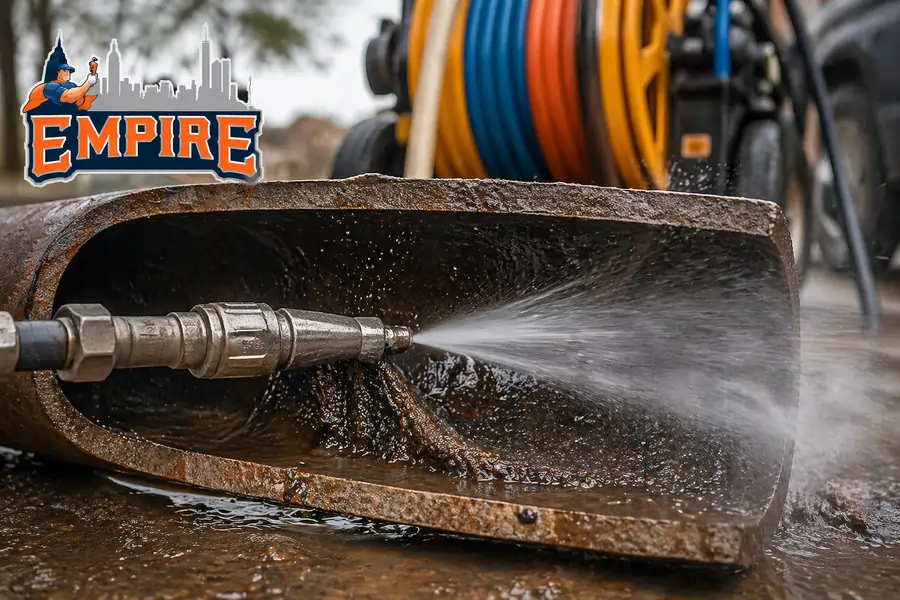
The high-pressure water used in hydro jetting does two things simultaneously: it cuts through blockages in front of the nozzle, and it cleans the walls of your pipes as the nozzle advances. The rear-facing water jets create a self-propelling mechanism that pulls the hose through the pipe naturally while scrubbing every inch of the interior surface.

Residential pipe cleaning typically operates between 1,500 and 2,500 PSI. Main sewer line clogs and commercial applications may require 3,000 to 4,000 PSI. The plumber selects the appropriate pressure based on the pipe material, diameter, and the type of debris being removed – protecting the condition of your pipes while maximizing cleaning effectiveness.

Cleaning Pipe Walls vs. Just Clearing the Blockage

This is the core difference between hydro jetting and snaking. A drain snake clears clogs by punching through or hooking the obstruction – but it leaves the walls of pipes coated in grease, scale, and debris. Hydro jetting thoroughly removes all of that coating, restoring the pipe to a clean interior surface. This is why hydro jetting ensures longer-lasting results and fewer recurring clogs compared to any other drain cleaning method.

What Does Hydro Jetting Remove From Pipes?

Hydro jetting can effectively clear a remarkably wide range of blockages and buildup types that other methods simply can’t address. Here’s a breakdown of what a hydro jet removes from drain and sewer lines.

Grease Buildup

Grease is the leading cause of kitchen drain clogs in both residential and commercial plumbing. Hot grease flows through pipes in liquid form and then solidifies on the pipe walls as it cools, gradually narrowing the drain line. Hydro jetting uses high-pressure water to emulsify and flush out even years of compacted grease buildup – something no snake or chemical drain cleaner can match. For restaurants and food service businesses, regular hydro jetting is essential for keeping grease traps and kitchen lines clear.

Sludge and Debris

Over time, pipes accumulate organic sludge – a combination of decomposing food particles, soap residue, biofilm, and other waste that coats the inside of drain lines. This sludge creates the perfect environment for blockages to form and odors to develop. The jetting process physically dislodges and flushes all of this debris out of the system completely.

Tree Roots in Sewer Lines

Tree root intrusion is one of the most serious plumbing issues New York homeowners face, particularly in neighborhoods with mature street trees and older clay or cast iron sewer pipes. Roots enter through pipe joints and cracks, growing inward until they form a dense mass that blocks the sewer line entirely. Hydro jetting can effectively clear tree root intrusion using specialized root-cutting nozzles that shred and flush the roots out. However, significant root damage typically requires a follow-up camera inspection to assess whether pipe repair or lining is also needed.

Mineral Scale

Hard water deposits calcium and magnesium onto pipe walls over time, forming a hard, chalky scale that progressively narrows the drain line. This mineral buildup is particularly common in older New York properties with galvanized or cast iron pipes. High-pressure water jetting chips away and flushes out mineral scale that would be impossible to remove with a snake.

Soap and Hair Buildup

In bathroom drains and shower lines, soap scum and hair combine to form dense, sticky mats that cling to pipe walls. Hydro jetting thoroughly dislodges this buildup and flushes it completely out of the drain, leaving the pipe walls smooth and residue-free. Unlike chemical drain cleaners, which may only partially dissolve organic matter, the physical force of high-pressure water clears it entirely.

Hydro Jetting vs. Drain Snaking – What’s the Difference?

This is one of the most important comparisons any homeowner or property manager should understand before deciding on a drain cleaning approach. Both methods address clogs – but they work very differently and deliver very different results.

Snaking = Temporary Clearing

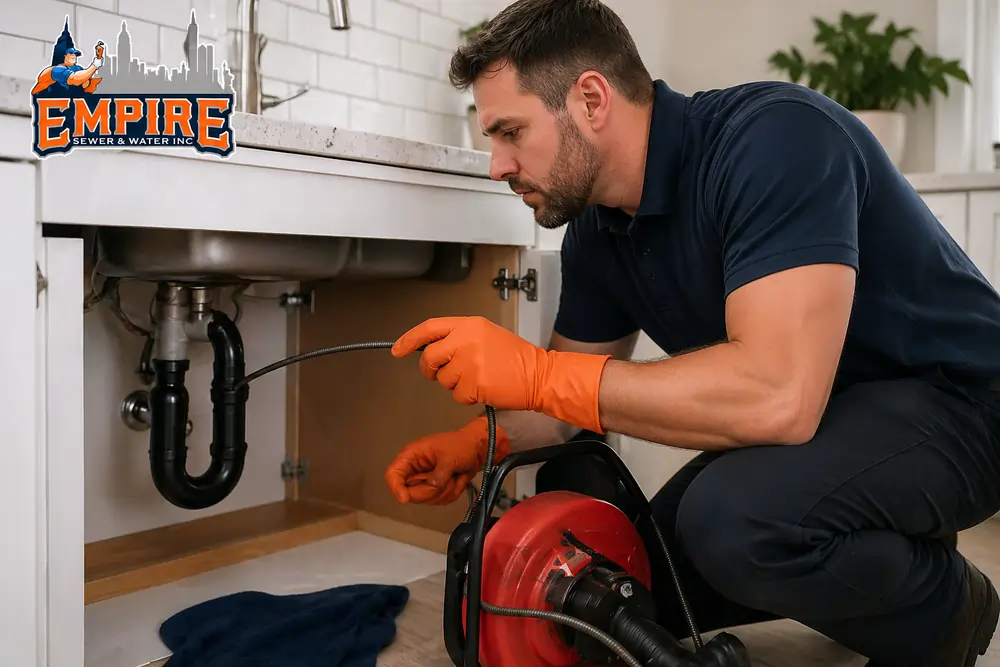
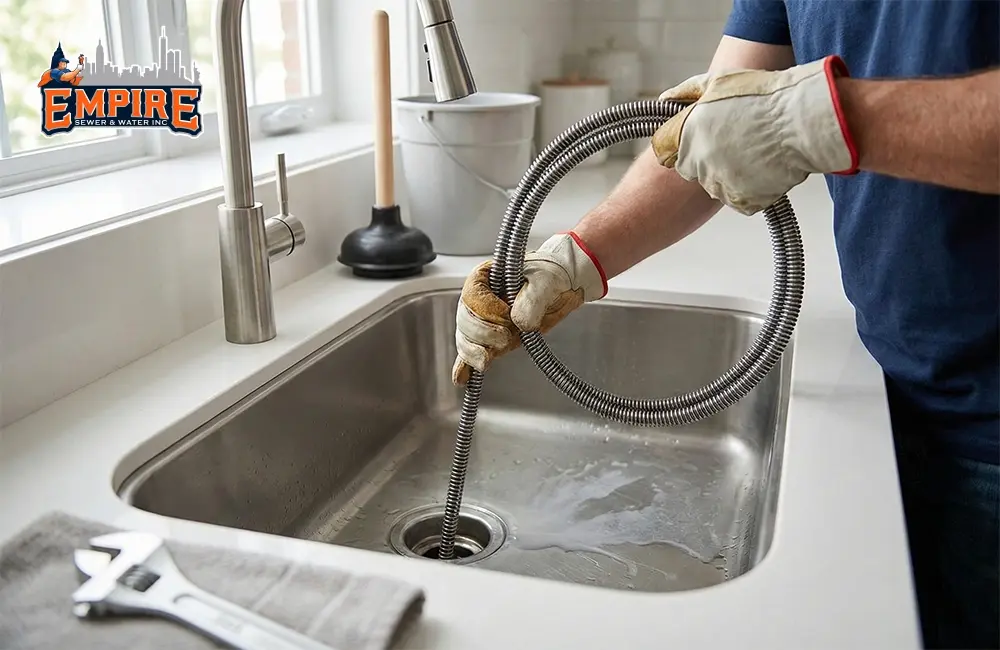
A drain snake is a flexible metal cable that a plumber feeds into a drain to physically break apart or retrieve a clog. It’s a proven, effective tool for clearing an immediate obstruction – and it works well for straightforward clogs like hair in a shower drain or a small food blockage in a kitchen sink.

The limitation is that snaking only addresses the blockage itself. It doesn’t clean the pipe walls, remove grease coating, or eliminate the debris layer that caused the clog to form. That’s why snaking is best described as drain clearing rather than drain cleaning. The clog comes back – often within weeks or months – because the underlying buildup remains.

Hydro Jetting = Deep Cleaning

Hydro jetting is a comprehensive cleaning method that removes not just the clog but everything contributing to it. High-pressure water scours the walls of pipes clean from the inside out, eliminating grease, scale, sludge, and organic matter in a single treatment. The result isn’t just a clear passage – it’s a genuinely clean pipe that resists future clog formation far more effectively.

Hydro jetting is the preferred method for recurring clogs, main sewer line maintenance, commercial plumbing systems, and any situation where snaking has already failed or provided only short-term relief.

When to Use Each Method

SituationRecommended Method
Single, straightforward clogDrain snake
Recurring clog in the same drainHydro jetting
Grease buildup in kitchen lineHydro jetting
Hair clog in shower drainSnake first; hydro jet if recurring
Main sewer line blockageHydro jetting (after camera inspection)
Tree root intrusionHydro jetting with root-cutting nozzle
Quick emergency clearingDrain snake
Annual sewer line maintenanceHydro jetting

When Do You Need Hydro Jetting?

Hydro jetting is not a one-size-fits-all solution for every drain situation – but there are specific circumstances where it’s clearly the right call. Here’s when to consider hydro jetting over other drain cleaning methods.

Recurring Drain Clogs

If the same drain keeps clogging despite repeated snaking or DIY treatments, that’s your plumbing telling you something more serious is going on. Recurring clogs almost always indicate significant buildup on the pipe walls that snaking isn’t removing. Hydro jetting could eliminate that underlying buildup entirely and stop the cycle of repeat blockages.

Slow Draining Water

Persistently slow draining in your sink, shower, or bathtub – especially when it gradually worsens over time – is a reliable sign of progressive buildup inside the drain line. The pipe isn’t fully blocked yet, but it’s narrowing. Scheduling a hydro jetting service at this stage is far more cost-effective than waiting for a complete blockage to develop.

Main Sewer Line Blockage

A main sewer line clog is the most serious drain situation a homeowner can face. When the main line is blocked, wastewater has nowhere to go – and it backs up through every fixture in the home. Hydro jetting is the most effective solution for clearing main sewer line clogs, including those caused by tree root intrusion, grease accumulation, or years of unaddressed buildup. Always combine this with a sewer camera inspection to fully understand what you’re dealing with before the jetting process begins.

Commercial Grease Buildup (Restaurants)

Restaurants and food service businesses put enormous stress on their drain lines. Kitchen grease, food particles, and heavy daily usage create rapid buildup that residential methods can’t keep up with. Hydro jetting is the industry standard for commercial kitchen drain maintenance – and in many cases, it’s required to maintain code compliance and avoid health violations. A guide to how often sewer lines need cleaning in NYC can help commercial operators determine the right service schedule.

Benefits of Hydro Jetting for Drain and Sewer Lines

Hydro jetting delivers benefits that go well beyond simply clearing a clog. Here’s why so many plumbers and homeowners consider it the superior drain cleaning solution.

Completely Cleans Pipe Walls

Hydro jetting cleans the walls of your pipes – not just the center channel. This total interior cleaning is what separates it from every other drain cleaning method. By removing all accumulation from the pipe surface, hydro jetting restores the pipe’s full internal diameter and flow capacity.

Long-Term Clog Prevention

Because hydro jetting removes the buildup that causes clogs to develop, it dramatically extends the period between drain cleaning services. Homeowners who invest in periodic hydro jetting report far fewer recurring blockages and a consistently healthier plumbing system overall. It’s one of the most effective forms of preventative maintenance available for residential and commercial plumbing.

Improves Water Flow

After hydro jetting, the difference in drainage speed is immediately noticeable. Water flows freely through pipes that have been scoured clean, making slow-draining fixtures a thing of the past. Restored drainage also reduces pressure strain on pipe joints and connections throughout the plumbing system.

Eco-Friendly (No Chemicals)

Hydro jetting uses only water – nothing else. There are no chemical drain cleaners, no caustic agents, and no environmental contaminants introduced to the sewer system. For homeowners concerned about the impact of chemical drain treatments on older pipes, septic systems, or the environment, hydro jetting is the responsible choice. It delivers superior cleaning results without the risks associated with chemical drain cleaners.

Works on Tough Blockages

Hydro jetting is effective against the full spectrum of pipe blockages – from soft grease and soap buildup to hard mineral scale, compacted sludge, and even fibrous tree root masses. No other single cleaning method handles such a wide range of debris types at this level of effectiveness. This versatility makes it the go-to solution for complex sewer and drain situations that simpler methods can’t resolve.

Is Hydro Jetting Safe for Pipes?

Safety is a legitimate concern – and it’s one of the most common questions homeowners ask before deciding if hydro jetting is right for their plumbing system. The honest answer is: yes, hydro jetting is safe for most modern pipes, but it’s not appropriate for every situation.

Safe for Modern Plumbing Systems

Hydro jetting is safe for PVC, ABS, copper, and most modern pipe materials when performed correctly by a qualified professional plumber. The pressure is calibrated to the pipe’s specifications, and a trained technician knows how to adjust the jetting machine settings based on the pipe diameter, material, and condition. Used properly, high-pressure water cleans without causing damage to the pipes.

Not Suitable for Damaged or Fragile Pipes

Hydro jetting may not be appropriate for pipes that are already cracked, severely corroded, or structurally compromised. Older pipes – particularly old cast iron or clay sewer lines that have degraded over decades – can sometimes be too fragile to withstand the force of pressurized water. Applying high-pressure water to a weakened pipe could worsen existing cracks or cause a pipe failure. This is why a professional plumber always assesses the condition of your pipes before recommending hydro jetting as a solution.

Importance of Camera Inspection

A video inspection before hydro jetting isn’t optional – it’s essential. A sewer camera inspection allows the plumber to see the exact condition of the pipe interior: its material, the type and severity of blockage, and whether any structural damage is present. This information directly determines whether hydro jetting is safe, what pressure settings are appropriate, and which nozzle configuration will be most effective. Skipping this step is how damage to the pipes occurs – and why it’s critical to work with experienced professionals.

How Much Does Hydro Jetting Cost in New York?

Cost is one of the top questions homeowners ask when considering hydro jetting – and for good reason. New York plumbing services carry a distinct price range compared to the national average, influenced by the complexity of the city’s infrastructure and the age of most residential plumbing systems.

Average Cost Range

Service TypeTypical Cost in New York
Residential drain hydro jetting$300 – $600
Main sewer line hydro jetting$500 – $900
Commercial hydro jetting$600 – $1,500+
Hydro jetting + camera inspection$450 – $1,000
Emergency hydro jetting service$700 – $1,500+

These figures represent general market ranges. The actual hydro jetting cost for your property will vary based on several factors.

Factors Affecting Price

Several variables influence what you’ll pay for hydro jetting service in New York:

  • Severity and type of blockage – simple grease buildup costs less to address than deep-rooted tree root intrusion
  • Pipe length and accessibility – longer sewer lines and hard-to-reach cleanout points increase labor time and cost
  • Pipe condition – pipes requiring extra care or low-pressure jetting due to age or damage may take longer to service
  • Whether camera inspection is included – many providers bundle video inspection with jetting; others charge separately
  • Time of service – after-hours emergency drain situations carry additional fees
  • Location within NYC – service rates in Manhattan and Brooklyn typically run higher than outer boroughs

For a broader cost comparison including sewer cleanout services, our sewer cleanout cost guide provides detailed pricing breakdowns across different service types.

Residential vs. Commercial Pricing

Residential hydro jetting is generally more affordable because home drain lines are shorter, more accessible, and carry lower volumes of buildup. Commercial hydro jetting – particularly for restaurants, apartment buildings, and industrial facilities – costs more due to the volume of grease and debris involved, the length of pipe networks, and the higher pressure settings often required. For commercial property owners, the cost of regular hydro jetting service is far less than the cost of emergency plumbing repairs caused by neglected drain lines.

Is Hydro Jetting Worth It?

The short answer: yes – particularly for homeowners and property managers dealing with recurring drain problems, slow drainage, or aging sewer systems. Here’s the detailed reasoning.

Cost vs. Long-Term Savings

Hydro jetting costs more upfront than a basic drain snaking. But consider what repeated snaking actually costs over time: if you’re calling a plumber for the same clogged drain three or four times a year at $150–$250 per visit, you’ve already spent more than a single hydro jetting service would cost – and your pipes are still coated in the same buildup that keeps causing the problem.

Hydro jetting eliminates that cycle. One comprehensive cleaning can keep your pipes clear for one to three years with proper maintenance, making it significantly more cost-effective over a 12–24 month window.

Comparison with Repeated Drain Cleaning

ApproachYear 1 Cost (Estimate)Result
4× drain snaking$600 – $1,000Recurring clogs remain
1× hydro jetting$400 – $700Pipes cleaned and restored

When you factor in the time, inconvenience, and escalating risk of a full sewer backup, hydro jetting is often the smarter financial decision – not just the more effective plumbing solution.

When It’s the Best Investment

Hydro jetting is particularly worth it when:

  • You’ve had the same drain snaked more than twice in the past year
  • Your home is 30+ years old with original cast iron or clay drain lines
  • You’re buying or selling a property and want a clean bill of plumbing health
  • Your restaurant or business depends on reliable drain flow to stay operational
  • You’re preparing your plumbing system before winter in New York

Hydro Jetting for Residential vs. Commercial Use

Homes (Bathroom and Kitchen Drains)

For residential homeowners, hydro jetting addresses the most common drain problems: grease and food buildup in kitchen lines, hair and soap accumulation in bathroom and shower drain pipes, and tree root intrusion in main sewer lines. Most residential hydro jetting uses pressure settings between 1,500 and 2,500 PSI – powerful enough to fully clean the pipe while remaining safe for standard household plumbing systems.

Regular hydro jetting as part of a home maintenance routine is especially valuable in New York, where older housing stock means older pipes that accumulate buildup faster and handle it less gracefully than modern plumbing.

Restaurants (Grease Traps and Kitchen Lines)

Commercial kitchens generate more grease in a single day than a residential kitchen produces in a month. Without regular hydro jetting, restaurant drain lines develop severe grease blockages that disrupt operations and create sanitation issues. Most professional plumbers recommend hydro jetting for commercial kitchen drain lines every three to six months, depending on the volume of cooking and the size of the grease trap system.

Hydro jetting is considered the industry standard for commercial drain cleaning services – no other method delivers the comprehensive grease removal that a high-volume food service operation requires.

Industrial Pipes and Municipal Sewer Lines

At the industrial and municipal level, hydro jetting handles applications that would be impossible for conventional equipment. Municipal sewer lines, storm drain systems, and large-diameter industrial pipes require jetting machines operating at the highest pressure ranges – sometimes 5,000 PSI or more. These large-scale applications use the same principle as residential hydro jetting but with significantly more powerful equipment and specialized nozzle configurations designed for high-volume drainage infrastructure.

Signs Your Sewer Line Needs Hydro Jetting

Your plumbing system communicates when something is wrong. These warning signs indicate that it’s time to schedule a hydro jetting service – before a minor buildup issue becomes a major sewer emergency.

Frequent Backups

If wastewater is backing up into your tub, toilet, or floor drain – especially when running water elsewhere in the house – your main sewer line is significantly blocked. This is a serious plumbing issue that requires immediate professional attention. Hydro jetting is often the fastest and most thorough solution for restoring flow in a backed-up sewer line.

Bad Odors

Persistent sewer odors rising from drains are a sign of organic buildup and stagnant debris in your drain and sewer lines. These odors don’t go away with surface cleaning – they require removing the actual source of decomposition inside the pipe. Hydro jetting thoroughly flushes all organic material out of the system and eliminates odor at the source.

Gurgling Drains

Gurgling sounds after flushing or running water indicate air displacement caused by a partial blockage further down the sewer line. If multiple fixtures gurgle simultaneously, the blockage is likely in the main line rather than an individual drain. This is a strong indicator that hydro jetting – rather than simple snaking – is needed to clear the deeper obstruction.

Multiple Clogged Fixtures

When more than one drain slows or stops at the same time – particularly if they’re on different floors or in different rooms – the problem almost certainly lies in the main sewer line, not in the individual fixture drains. This pattern of widespread drainage failure points directly to a main line clog that requires hydro jetting to resolve effectively.

Hydro Jetting Process Step-by-Step (Professional Method)

Here’s exactly what happens when Empire Sewer and Water Inc performs a professional hydro jetting service at your New York property.

Step 1: Sewer Camera Inspection

Every hydro jetting service begins with a video inspection of your sewer line. Our plumber inserts a waterproof camera into the drain to identify the blockage type and location, assess the structural condition of the pipe, and confirm that hydro jetting is safe and appropriate for your specific situation. This step is non-negotiable – it protects both your pipes and the effectiveness of the service.

Step 2: Pressure Selection

Based on what the camera reveals – the pipe material, diameter, blockage type, and overall condition of your pipes – our plumber selects the appropriate pressure setting for the jetting machine. Residential pipes typically require 1,500 to 2,500 PSI; main sewer line clogs and commercial applications may call for higher settings. Selecting the wrong pressure is how damage to the pipes occurs, which is why professional calibration matters.

Step 3: The Jetting Process

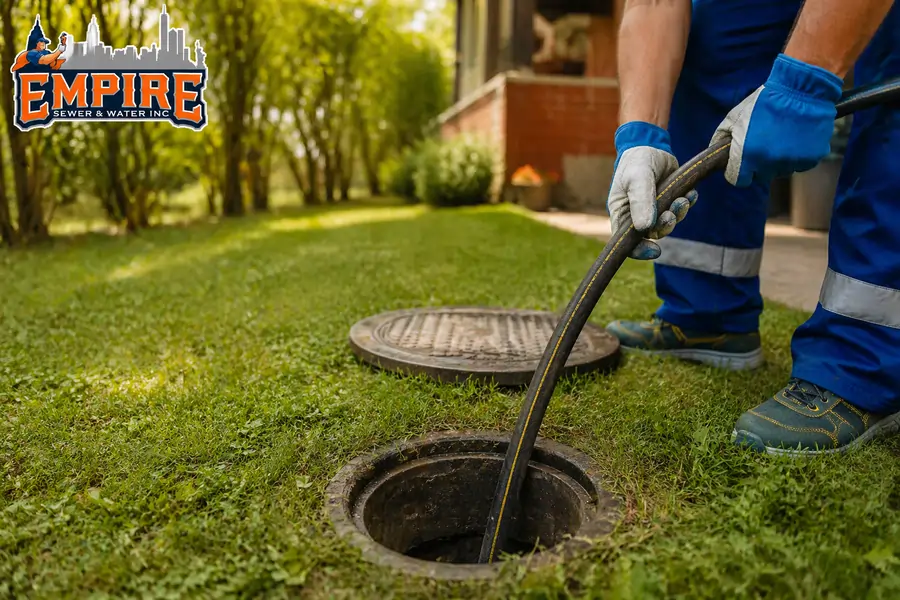
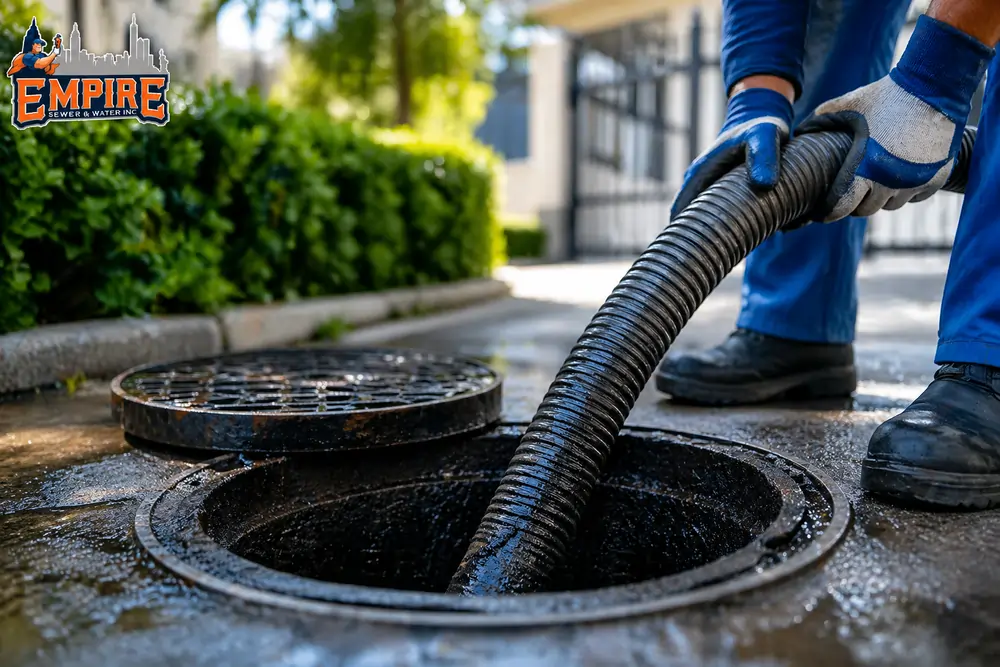
Our plumber feeds the high-pressure hose and nozzle into the pipe through the cleanout access point. As the jetting machine activates, water jets blast forward and backward through the nozzle – cutting through the blockage and simultaneously scouring the walls of pipes clean. The plumber works the nozzle through the entire pipe length, ensuring complete coverage of the drain and sewer line being treated.

Step 4: Final Inspection

Once the hydro jetting process is complete, the camera goes back in for a final video inspection. This confirms the pipe is completely clear, verifies the structural integrity of the pipe walls, and documents the result of the service. At Empire Sewer and Water Inc, we believe in showing our clients exactly what we found and exactly what we fixed – no guesswork, no assumptions.

Can Hydro Jetting Damage Pipes?

This is a fair question – and one of the most common PAA (People Also Ask) searches related to hydro jetting. Here’s an honest, experience-based answer.

When It’s Risky

Hydro jetting carries risk when it’s performed without a prior camera inspection, when pressure settings are not properly calibrated, or when the pipe is already in poor structural condition. Cracked, corroded, or severely degraded pipes – particularly older clay or galvanized pipes that are nearing the end of their service life – can sustain damage if subjected to high-pressure water without proper evaluation first.

This doesn’t mean hydro jetting is inherently dangerous. It means it should never be performed blindly by someone without the experience to evaluate pipe condition first.

Importance of a Professional Plumber

Hydro jetting is not a DIY service. The equipment is powerful, the pressure settings require professional judgment, and the consequences of getting it wrong – a cracked sewer line, a burst pipe joint, or a flooded basement – are far more costly than the service itself. A qualified professional plumber brings the diagnostic skills, camera inspection equipment, and technical experience to determine whether hydro jetting is appropriate and to execute it safely.

Empire Sewer and Water Inc never recommends hydro jetting without first completing a video inspection. This protects your pipes, produces better results, and ensures the service we provide delivers lasting value.

Pipe Condition Factors

The key factors that determine whether hydro jetting is safe for your pipes:

  • Pipe age – pipes over 40–50 years old may require low-pressure jetting or alternative methods
  • Pipe material – PVC, copper, and modern cast iron handle jetting well; old cast iron, clay, and severely corroded galvanized pipes require careful assessment
  • Existing cracks or fractures – visible damage identified during camera inspection may rule out high-pressure jetting
  • Joint integrity – loose or deteriorating pipe joints can be dislodged by high-pressure water if not identified beforehand
  • Previous repairs – patched sections or pipe liners require special consideration before jetting

Why Hydro Jetting Is Ideal for New York Properties

New York presents specific plumbing challenges that make hydro jetting particularly well-suited to the city’s housing stock and infrastructure.

Older Sewer Systems

The majority of New York City’s residential buildings were constructed before 1970 – many before 1940. These properties often retain original sewer pipes that have been accumulating scale, grease, sludge, and organic buildup for 50 to 100 years. In many cases, the interior diameter of these pipes has been significantly reduced by decades of unaddressed accumulation. Hydro jetting is often the only drain cleaning method capable of restoring these heavily fouled pipes to functional capacity without requiring full pipe replacement.

Heavy Usage

New York’s density means its plumbing systems work harder than almost anywhere else in the country. Multi-unit residential buildings, high-occupancy commercial spaces, and continuous daily usage create an environment where drain lines accumulate buildup far faster than in lower-density areas. Residential and commercial plumbing in New York genuinely benefits from more frequent hydro jetting service cycles than the national standard recommends.

Urban Pipe Buildup

The combination of hard water, aging pipe infrastructure, high-volume usage, and the city’s tree canopy creates a perfect storm for rapid and stubborn pipe buildup. Tree root intrusion is a persistent issue in neighborhoods with mature street trees. Hard water mineral deposits accelerate scale formation in older pipes. And the sheer volume of grease entering the city’s sewer systems creates blockages at a rate that only high-pressure water jetting can reliably manage.

Professional Hydro Jetting Services in New York

Empire Sewer and Water Inc provides professional hydro jetting services for residential homes, apartment buildings, restaurants, and commercial properties across New York. Here’s what working with our team looks like.

What to Expect from Our Service

When you contact us for a hydro jetting appointment, our licensed plumber arrives with a fully equipped jetting machine and camera inspection system. We begin every service with a video inspection – no exceptions. After reviewing the camera footage with you, we explain our findings and recommended approach in plain language. Once you approve the service, we execute the hydro jetting process with precision and professionalism, then perform a post-jetting inspection to confirm complete success.

We provide professional drain cleaning service across the full range of New York property types – from pre-war single-family homes in Queens to high-volume commercial kitchens in Manhattan.

When to Schedule Service

Don’t wait for a full backup or emergency to schedule hydro jet drain cleaning services. Contact Empire Sewer and Water Inc when:

  • You notice slow draining in multiple fixtures
  • You’ve had the same drain snaked more than once this year
  • Your building has not had a sewer line inspection in 2+ years
  • You’re preparing for winter and want your drains in peak condition
  • You manage a restaurant or commercial property with heavy drain usage

Emergency Drain Situations

Sewer emergencies don’t wait for business hours. If you’re facing a main sewer line backup, sewage rising through floor drains, or a complete clog that’s taken multiple fixtures offline, Empire Sewer and Water Inc provides emergency hydro jetting and drain services when you need them most. Fast response time and fully equipped service vehicles mean we can mobilize quickly to address your drain and sewer emergency before the situation worsens.

Contact us today to schedule your hydro jetting service and get your pipes flowing like new.

Frequently Asked Questions (FAQs)

What is hydro jetting?

Hydro jetting is a professional pipe cleaning technique that uses highly pressurized water – delivered through a specialized nozzle attached to a reinforced hose – to remove clogs, grease, sludge, mineral scale, and tree roots from drain and sewer lines. It cleans the walls of pipes completely, not just the immediate blockage area, making it the most comprehensive drain cleaning method available.

How much does hydro jetting cost?

In New York, residential hydro jetting typically costs between $300 and $600 for standard drain lines, and $500 to $900 for main sewer line cleaning. Commercial hydro jetting runs $600 to $1,500 or more depending on the volume and complexity of the job. For a full breakdown, visit our sewer cleanout cost guide.

Is hydro jetting safe for old pipes?

Hydro jetting is safe for most pipe materials when performed by a qualified plumber who has first completed a camera inspection. However, older pipes that are cracked, severely corroded, or structurally degraded may not be suitable candidates for high-pressure jetting. A video inspection always precedes hydro jetting at Empire Sewer and Water Inc – it’s the only way to responsibly determine whether the method is appropriate for your specific pipe condition.

How long does hydro jetting take?

Most residential hydro jetting services take one to two hours from start to finish, including the camera inspection before and after the jetting process. A main sewer line cleaning on a larger property may take two to three hours. Commercial or industrial hydro jetting jobs with extensive pipe networks can run several hours depending on the scope of work.

Is hydro jetting better than snaking?

For the large majority of drain and sewer problems – particularly recurring clogs, grease buildup, sewer line maintenance, and root intrusion – yes, hydro jetting is significantly more effective than snaking. Snaking clears the immediate blockage; hydro jetting cleans the entire pipe interior, delivering results that last considerably longer. That said, snaking remains a practical first-line response for simple, isolated clogs. Deciding if hydro jetting is the right approach depends on the severity, frequency, and nature of the problem. When in doubt, a camera inspection provides the clearest answer.